
Menopause care that treats the whole woman.
Hormone therapy, newer non-hormonal medicines, mood and sleep support, and the primary care that ties it all together, from the same New Jersey clinicians visit after visit.
- Same clinicians whenever possible
- Bridgewater, Nutley & telehealth statewide
- Nearly every major plan, including Medicaid

What we help with
Start with whatever is bothering you most. Each of these has its own page with the details.
Perimenopause
Changing periods, broken sleep and new anxiety in your 40s, treated now instead of later.
Perimenopause careHormone therapy
Patches, gels and pills explained, and what changed about safety in 2025.
Hormone therapyRelief without hormones
Veozah, Lynkuet and other proven options if estrogen isn't right for you.
Non-hormonal treatmentMood, sleep & brain fog
Anxiety, irritability, low mood and insomnia, treated together with your hormones.
Mood and sleep careVaginal & bladder health
Dryness, painful sex, urgency and repeat UTIs. Common, and very treatable.
Vaginal and bladder healthHeart, bone & weight
Cholesterol, blood pressure, bone density and midlife weight gain, managed in the same practice.
Long-term healthNatural relief
Medical acupuncture, Chinese herbal medicine and a clear look at supplements.
Integrative careCare by video
Menopause visits from home, anywhere in New Jersey, with your insurance billed.
TelehealthThe menopause transition, stage by stage
Menopause isn't a single day. It's a transition that unfolds over years, and knowing where you are explains a lot about what you're feeling.
-
Often early-to-mid 40s
Perimenopause
Hormones swing, periods change, and sleep and mood symptoms often appear before hot flashes do.
-
Average age 51
Menopause
Twelve months in a row without a period. Symptoms are often strongest in the year or two around it.
-
The years after
Postmenopause
Hot flashes ease for most women, though they last a median of about seven years in total. Vaginal, bone and heart health come to the fore.
-
Before 45
Early or surgical menopause
Symptoms can start suddenly after surgery or cancer treatment, and protecting bones and heart matters even more.
Start with six questions
The MQ6 is a short checklist designed for primary-care menopause visits. We use it at every first visit, and you can try it right now. Each "yes" points to something we can help with.
What your first visit covers
- Your symptoms, your cycle history and what you most want fixed
- Your personal and family history, so we can weigh hormone therapy carefully
- Lab work where it helps, including thyroid, which can mimic menopause
- Blood pressure, weight and screening that's due
- A plan you help choose, and a follow-up with the same clinician
You don't have to just push through it.
Most new patients are seen within a week, in person in Bridgewater or Nutley, or by video anywhere in New Jersey.
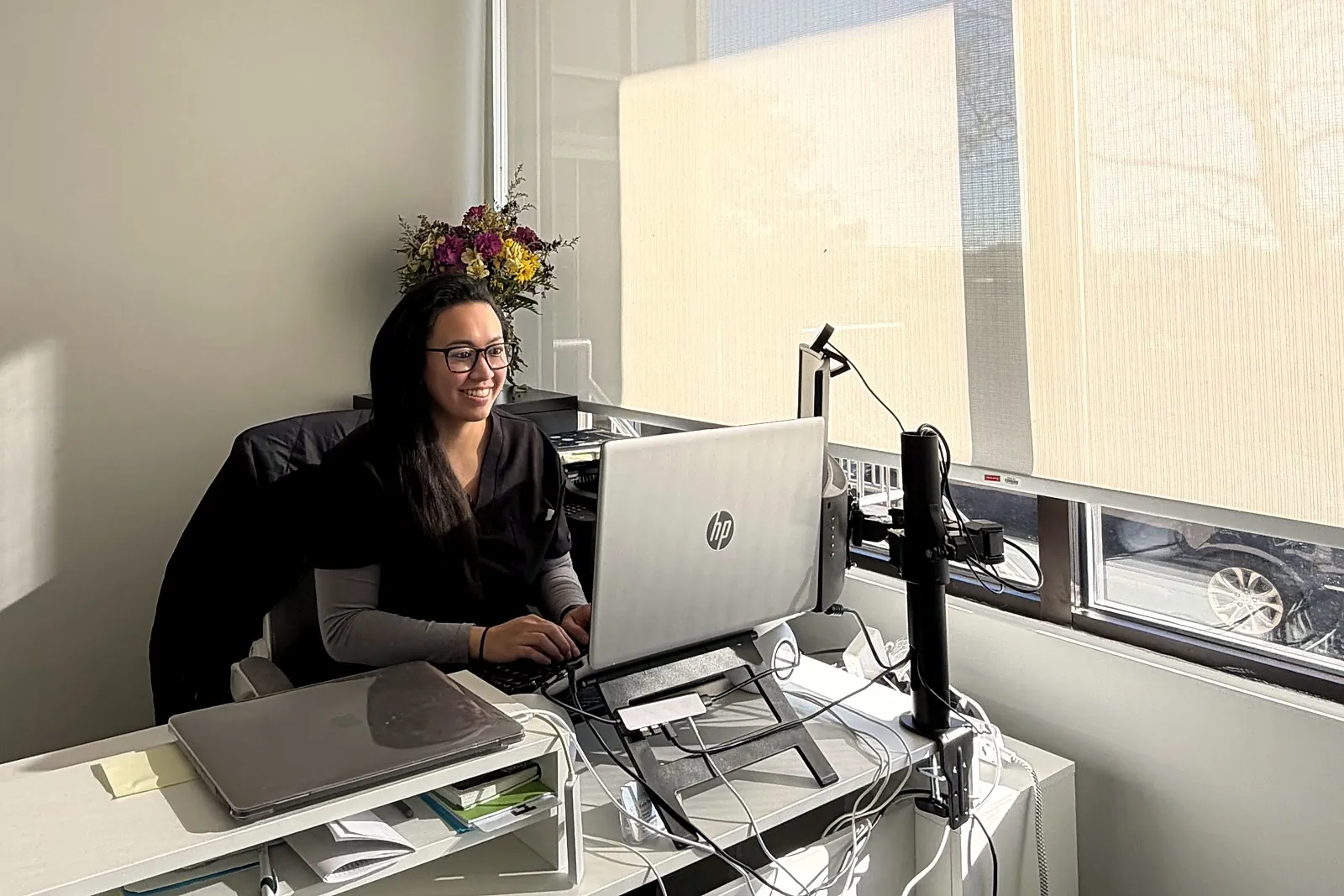
Meet the clinic
- Kayla Yanga, NP, leads our Perimenopause & Menopause Clinic and sees patients in Nutley and by video.
- Jackie Bruno, NP, sees patients in Bridgewater and by video, and cares for women across primary care and mental health.
- David Boguslavsky, MD, our medical director, is board-certified in family medicine and medical acupuncture and has treated these symptoms since founding the practice in 2006.
Behind them is a full practice: primary care, counseling, psychiatric care and integrative medicine, all in one place. Our providers
“I chose to focus on perimenopause and menopause because women deserve more than being told that their symptoms are simply something they have to live with. This is a significant transition, and thoughtful, evidence-based care can make an incredible difference.”
Why women choose PremierMD
The same clinicians, whenever possible
You won't have to re-explain your history to someone new each time. The person who starts your treatment is the one who follows it.
A full primary-care practice
We also treat your blood pressure, thyroid, cholesterol and everything else, so nothing gets set aside because it's "not menopause."
Nearly every major plan
Including Medicaid, Medicare and commercial plans. We bill your plan, and when an insurer pushes back on a medicine like Veozah, we keep working the prior authorizations and appeals until we've exhausted every option.
In person or by video
Offices in Bridgewater and Nutley, or telehealth from anywhere in New Jersey.
Integrative options
Medical acupuncture, Chinese herbal medicine, counseling and psychiatric care, coordinated with your hormone care.
Answers backed by evidence
We tell you what the research shows, including when something popular doesn't work, before you spend time or money on it.
Related care
Women's Health
Well-woman exams, contraception and preventive screening through every stage of life.
Learn moreWeight Management
Nutrition support and medical weight loss, including GLP-1 medicines when appropriate.
Learn moreMenopause questions
What does your menopause clinic treat?
Everything from the first changes of perimenopause to the years after menopause: hot flashes and night sweats, sleep problems, anxiety and low mood, brain fog, vaginal dryness and bladder symptoms, weight gain, and long-term heart and bone health. Because we're also a full primary-care practice, nothing is left out because it's "not menopause."
Who will I see?
Kayla Yanga, NP, leads our clinic and sees patients in Nutley. Jackie Bruno, NP, sees patients in Bridgewater. Both work with our medical director, David Boguslavsky, MD, and you'll see the same clinician whenever possible.
How do I know if I'm in perimenopause?
Changes in your periods, new trouble sleeping, hot flashes, and new anxiety or irritability in your 40s are the most common signs. There's no single blood test that confirms it. Our six-question symptom check on this page is a good place to start.
Is hormone therapy safe?
For most healthy women under 60, or within 10 years of their final period, the benefits of hormone therapy outweigh the risks. In November 2025 the FDA began removing the boxed warnings about heart disease, breast cancer and dementia from estrogen products. We review your own history before recommending anything.
What if I can't take hormones?
There are good options. Veozah and Lynkuet were made specifically for hot flashes, and low-dose antidepressants, gabapentin, CBT and clinical hypnosis also help. Low-dose vaginal estrogen is often still possible for vaginal and bladder symptoms.
Does acupuncture help with menopause?
Many women find acupuncture helps with sleep, anxiety and stress, and some find it eases hot flashes. Study results for hot flashes are mixed, so we offer it alongside proven treatments rather than in place of them.
Do you take insurance?
Yes. We accept nearly every major insurance plan, including Medicaid, Medicare and commercial plans. Visits are billed like any other medical visit, and we help with prior authorizations for medicines that need them.
Can I be seen by telehealth?
Yes. Most menopause visits can be done by video from anywhere in New Jersey. Pelvic exams and Pap smears are done at our Bridgewater or Nutley office. Blood is drawn at our Bridgewater office or at a lab near you. IUD placement is referred to OB-GYN specialists.
- The 2022 Hormone Therapy Position Statement of The North American Menopause Society. Menopause 2022;29(7):767–794.
- The 2023 Nonhormone Therapy Position Statement of The North American Menopause Society. Menopause 2023;30(6):573–590.
- U.S. Food and Drug Administration. HHS Advances Women's Health, Removes Misleading FDA Warnings on Hormone Replacement Therapy. November 10, 2025.
- Avis NE, et al. Duration of menopausal vasomotor symptoms over the menopause transition (SWAN). JAMA Intern Med 2015;175(4):531–539.
- MQ6 Menopause Assessment Tool. An efficient tool for the primary care management of menopause. Can Fam Physician 2017;63(4):295–298.
Contact PremierMD Today
We'll reach out within one business day to answer your questions and help you schedule an appointment.