
How to Get a Medical MJ Card in NJ: The Real Process
Between conflicting information online and the state's own paperwork, it's easy to lose track of what medical MJ certification in New Jersey actually requires — here's what really happens, from your first visit to your state registry card.
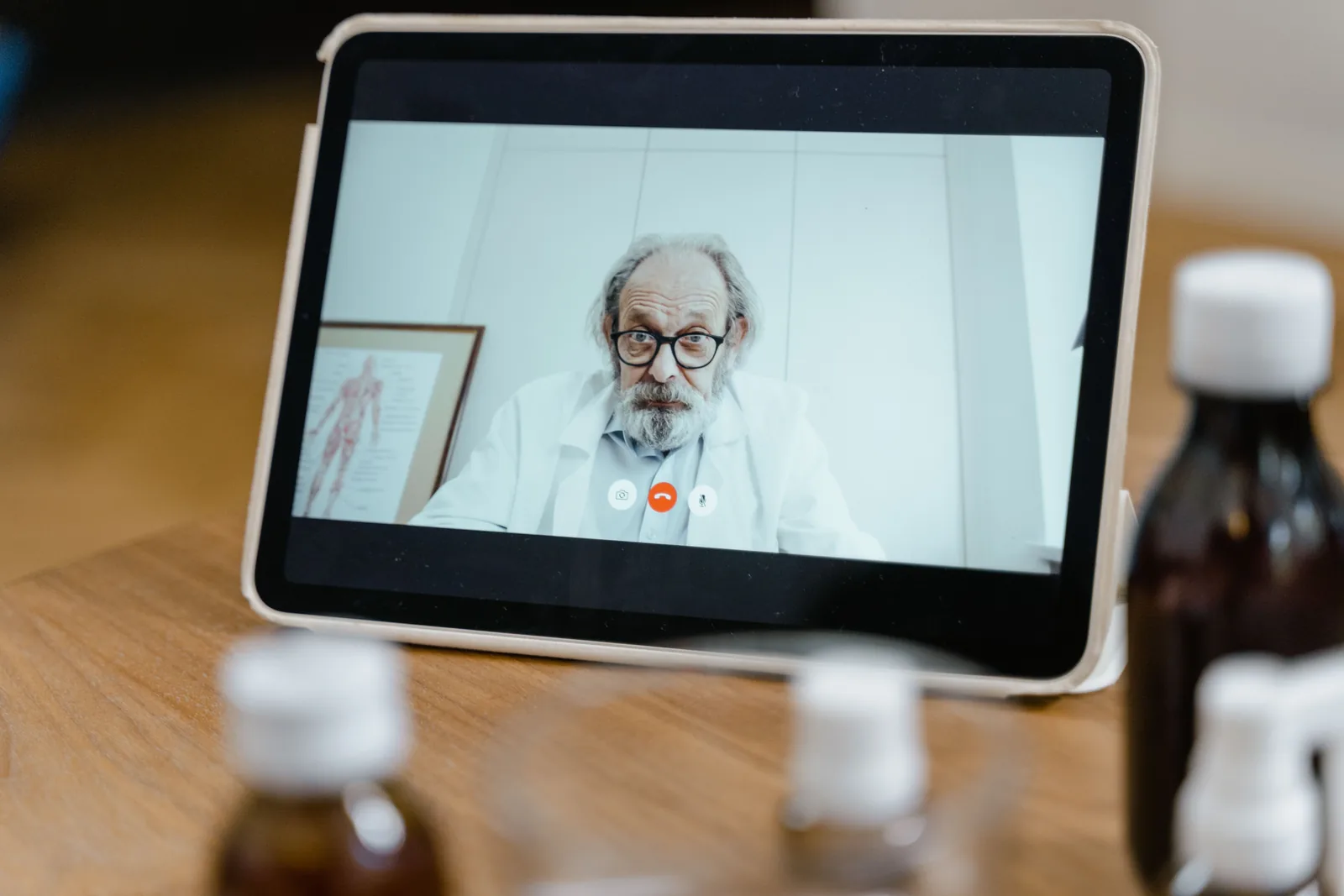
Getting certified for medical MJ in New Jersey is a real medical process with a physician's judgment at the center of it, not a form you fill out and a card that shows up in the mail. It starts with a qualifying condition, runs through a genuine clinical evaluation, includes a required safety screening, and ends with registration through the state -- and at every step, there's more clinical decision-making involved than most people expect going in.
That confusion is normal. Search results are full of out-of-state information, outdated fee numbers, and sites that blur the line between a real medical evaluation and a same-day rubber stamp. This guide walks through New Jersey's actual process step by step: what a qualifying condition means, what happens at the certification visit, why a drug screen is required, how the state registry card gets issued, and what happens after you're certified.
We'll also cover where this process involves genuine physician judgment calls -- because it does, and pretending otherwise doesn't do you any favors.
How New Jersey's medical MJ program actually works
New Jersey has run a state medical MJ program since 2010, significantly expanded by a 2019 law that broadened the list of qualifying conditions and eased several registration requirements. Today, the program is administered through the state's regulatory commission, which maintains the patient registry, issues registry ID cards, and licenses the dispensaries where certified patients purchase from.
The structure is simple in outline even though the steps take real time: a licensed physician certifies that you have a qualifying condition and that medical MJ is a reasonable option to discuss for it, you complete a safety screening, and then you register with the state to receive your card. Every one of those steps matters -- skipping the medical evaluation isn't an option, and it shouldn't be, since that evaluation is what separates a legitimate certification from a rubber stamp.
Step 1: Confirm you have a qualifying condition
New Jersey's qualifying-condition list is broader than most people assume -- it covers chronic pain, PTSD, anxiety, cancer, multiple sclerosis, epilepsy and other seizure disorders, and a number of other diagnoses, plus a catch-all provision for conditions that cause chronic pain, severe nausea, seizures, or muscle spasms even if they're not individually named. We cover the full breakdown, including which conditions are most commonly certified and what to do if yours isn't obviously on the list, in our companion guide to NJ's qualifying conditions.
You don't need a definitive answer before booking your first visit. If you're not sure whether your diagnosis qualifies, that's a normal question to bring to the evaluation itself rather than something you need to research and confirm on your own first.
Step 2: The physician certification visit
This is the actual medical evaluation, and it's more thorough than a five-minute video call. At MyPremierMD, medical MJ evaluations are handled by a team with real depth in this specific area -- led by Dr. Boguslavsky, one of New Jersey's earliest physicians certified under the state's program, alongside Marie Gawronski, PA-C, who evaluates most new patients and manages ongoing follow-up care.
The visit itself runs about 30 minutes and covers your medical history, your current symptoms, what you've already tried, and whether medical MJ is a reasonable fit alongside your other treatment and medications. It's available in person at any of our four NJ locations or by telemedicine for patients who qualify. Bring records of your diagnosis and treatment history if you have them -- they make the evaluation faster, though they aren't strictly required to have the conversation.
Step 3: The required drug screen
New Jersey's certification process includes a urine drug screen before certification is finalized. It can feel like an odd requirement if you're coming in for a legitimate medical evaluation, but it's a standard part of prescribing responsibly -- not a hurdle specific to MJ patients. Your physician needs to know what else is already on board, because MJ interacts meaningfully with sedatives, opioids, and certain psychiatric medications, and that interaction risk is exactly the kind of thing a real medical evaluation is supposed to catch.
The screen can be completed in our office or at an outside lab, and the result gets discussed with you directly as part of your care -- not used against you.
Step 4: State registration and your registry card
Once your certification is complete, your physician submits it to the state, and you register directly with New Jersey's regulatory commission to receive your patient registry ID card. The card itself is issued digitally, and it's what you'll actually present at a licensed dispensary.
New Jersey charges a state registration fee as part of this step -- check the current fee schedule when you apply, since the state periodically updates it, and it's separate from the cost of your evaluation visits. At MyPremierMD, most patients move through the entire process -- evaluation, screening, and certification -- within about 7-10 days, with the first visit typically available within 24-48 hours of scheduling.
A real evaluation, from a team that's been doing this since the beginning.
In person or by telemedicine, most patients seen within 24-48 hours.
Is certification automatic if I qualify on paper?
No, and this is worth being direct about. There's a real, ongoing debate around medical MJ certification generally -- some patients and advocates see the physician-evaluation requirement as an unnecessary bureaucratic hurdle standing between an adult and a legal treatment option; physicians who take the requirement seriously see it as the entire point, since it's what turns a card mill into actual medicine. Both views come from a real place. The requirement does add time and a visit you might not think you need. It also means someone is checking for the situations where MJ carries real risk -- during pregnancy or breastfeeding, with a history of psychosis or an active psychotic disorder, in adolescents, with significant cardiac disease, or where a screen points to a substance use disorder that certification could make worse.
Having a qualifying condition documented is necessary, but it isn't automatically sufficient -- your physician is weighing your full picture, not just checking a box next to a diagnosis code. That's also exactly why this is worth discussing directly with a physician you can actually reach with follow-up questions, rather than piecing the process together from forums or a dispensary's marketing material. A certification visit that never says "no" isn't really evaluating anyone, and an ongoing relationship with your care team means the conversation doesn't end the moment your card arrives -- dosing questions, side effects, and interactions with anything else you're taking are all things you can bring back to the same team that certified you in the first place.
After certification: renewal and ongoing monitoring
A card isn't a one-time credential. Our current practice is to see patients quarterly for follow-up -- reviewing how treatment is going, adjusting the plan if needed, and keeping both your certification and your registration current. That cadence also gives your care team a natural checkpoint to catch problems early: a medication change that might interact, a side effect worth addressing, or simply confirming the original certification is still the right call for where your condition stands now.
This is also where a card-mill model and an actual medical practice diverge most visibly. A one-time evaluation that hands you a card and moves on has no mechanism for catching any of that. Ongoing monitoring does.
What does the certification process actually cost?
Insurance won't cover the MJ itself, but it typically covers your evaluation visits, the required drug screening, and your ongoing follow-up appointments the same way it covers any other doctor's visit -- we accept nearly all major insurance plans and can check your specific benefits before your first visit.
Separately, New Jersey charges its own state registration fee to process your registry card. That fee is set and periodically updated by the state directly, so check the current fee schedule when you apply rather than relying on a number you saw somewhere online -- it's a state cost, not a MyPremierMD fee, and it's paid at a different point in the process than your visits.
Continue the medical MJ series
Qualifying Conditions in NJ
The full breakdown of which conditions are commonly certified, and what to do if yours isn't clearly on the list.
Learn moreDoes It Show Up on a Background Check?
The honest, non-oversimplified answer to a question almost every patient asks before they start.
Learn moreMedical MJ at MyPremierMD
Meet the team and see the full evaluation process, insurance information, and qualifying conditions in one place.
Learn moreMedical MJ card process questions
How long does it take to get a medical MJ card in New Jersey?
Most MyPremierMD patients complete the full process — initial evaluation, required drug screen, and certification — within about 7-10 days, with the initial visit typically available within 24-48 hours of scheduling. Once your certification is submitted, the state registry card itself is issued digitally, usually within a few business days.
Can I complete the medical MJ certification process by telemedicine?
Yes, for patients who qualify. Both the initial evaluation and follow-up visits are available by telemedicine in addition to in-person visits at any of our four NJ locations. The one exception is the drug screen itself, which has to be completed in person — either in our office or at an outside lab.
Do I need to already have a documented diagnosis before my first visit?
It helps, but it isn't always required. Bring any records you have of a qualifying diagnosis or its treatment history — prior specialist notes, imaging, medication trials — since they make the evaluation faster and more thorough. If you don't have formal records, the evaluation visit itself is where your history gets reviewed and documented; just be ready to describe your condition, how long you've had it, and what you've already tried.
Why is a urine drug screen part of the process?
It's a standard part of prescribing responsibly, not a hurdle aimed at MJ patients specifically — it tells your physician what else is on board, which matters because MJ interacts meaningfully with sedatives, opioids, and some psychiatric medications. It's completed in our office or at an outside lab, and the result is discussed with you, not used against you.
Does insurance cover any part of the medical MJ certification process?
Insurance won't cover the MJ itself, but it typically covers your evaluation visits, the required drug screening, and your ongoing follow-up appointments the same way it covers any other doctor's visit. We accept nearly all major insurance plans — our team can check your specific benefits before your first visit.
Is the card permanent once I have it, or does it need to be renewed?
It's not a one-time card. Registration and certification require periodic renewal, and our current practice is to see patients quarterly for follow-up — checking how treatment is going, adjusting the plan if needed, and keeping your certification and monitoring current. A certification mill sends you off with a card and disappears; an ongoing evaluation is supposed to keep happening.
Can a physician turn down my certification even if I have a qualifying condition?
Yes, and a physician who never says no isn't really evaluating you. Having a qualifying condition on paper doesn't automatically mean certification is the right call for you specifically — physicians weigh your full health picture, including situations where MJ carries real risk, like pregnancy, a history of psychosis, or significant cardiac disease. A genuine evaluation has to allow for "no" as a possible answer.
What's the difference between physician certification and the state registry card?
Certification is your physician's clinical sign-off that you have a qualifying condition and that medical MJ is an appropriate option to discuss. The card is the state's registry ID, issued after your certification is submitted and your registration is processed — it's what you actually use to purchase from a licensed dispensary. You need both; certification is the medical step, the card is the administrative step that follows it.
Contact MyPremierMD Today
We'll reach out within 24 hours to answer your questions and help you schedule an appointment.