
Is there a test for perimenopause?
Many women are told their hormones are "normal" and sent home. Here's why a single blood test so often misses perimenopause, and when lab work really does help.
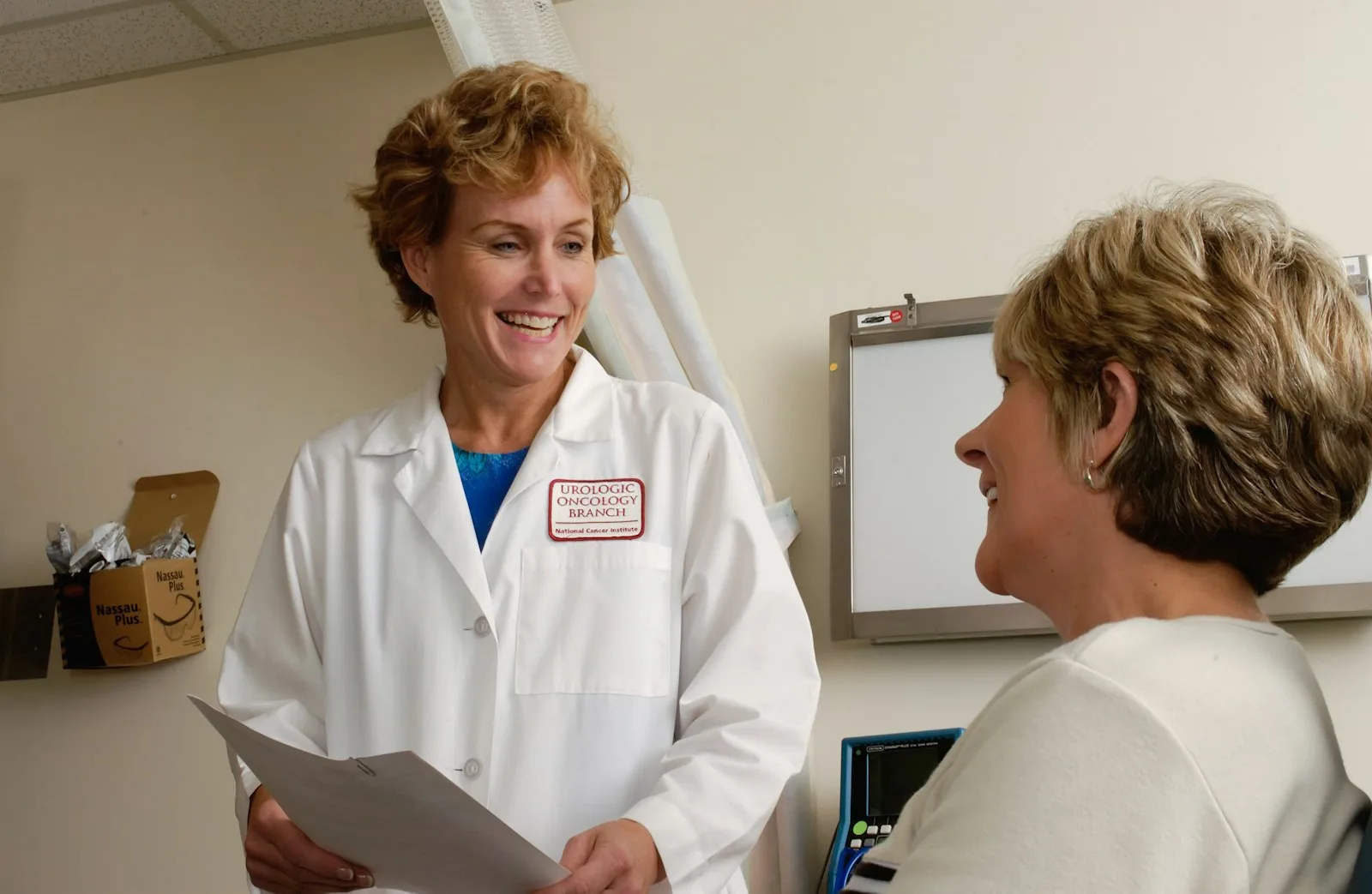
The short answer: no single test confirms perimenopause. Hormone levels swing too much from day to day for one result to be reliable. For women over 45 with typical symptoms, perimenopause is diagnosed from age, cycle changes and symptoms. Lab work is still valuable for ruling out other causes and for guiding treatment.
If you've had a "normal" FSH result and still feel like something has changed, you're not imagining it. You may simply have been tested on a day when your hormones happened to be in range.
Why FSH and estrogen tests mislead
FSH (follicle-stimulating hormone) is the signal your brain sends to your ovaries. As the ovaries slow down, FSH rises, and after menopause it stays high. During perimenopause, though, it jumps up and down, sometimes within the same cycle. Estrogen does the same, and in some months it spikes higher than it did in your 30s.
So one FSH test is a snapshot of a moving target. A high result on one day can be followed by a normal one the next week. International guidelines, including the UK's NICE guidance, advise diagnosing perimenopause in women over 45 from symptoms rather than lab tests.
Home urine FSH kits have the same limitation. A positive result can point towards perimenopause, but a negative one doesn't rule it out. The AMH test, often marketed as a "menopause test," reflects how many eggs remain but can't confirm perimenopause or predict when your last period will be.
When lab work does help
- Symptoms before 45, and especially before 40, when other causes need to be ruled out
- After a hysterectomy or ablation, when there are no periods to track
- An unusual picture, such as periods stopping suddenly or symptoms that don't fit
- Guiding and monitoring treatment, where hormone levels help us adjust a plan
Tests that rule out look-alikes
- Thyroid function, since an under- or overactive thyroid mimics many symptoms. Thyroid or perimenopause?
- Blood count and iron, for fatigue and heavy periods
- Vitamin D and B12, for fatigue and mood
- Pregnancy test, when periods change or stop
- Prolactin, if periods stop unexpectedly
"Normal labs" isn't the end of the conversation.
Most new patients are seen within a week, in person in Bridgewater or Nutley, or by video anywhere in New Jersey.
How we actually diagnose it
At our clinic, diagnosis starts with a conversation about your cycles, your symptoms and your history. We use the MQ6, a six-question checklist designed for primary-care menopause visits, so nothing gets missed. You can try it online before your visit.
From there, we order lab work where it adds something: to rule out a thyroid problem or anemia, to establish a baseline, or to help guide and adjust treatment. Testing is a tool, not a gatekeeper. If your symptoms and history point to perimenopause, you don't need a particular number before we start treating it.
“I don't believe in reducing a woman's experience to a checklist of symptoms. A first visit is a conversation about what has changed, how it's affecting her life, what she's worried about, and what she hopes to feel differently.”
If you're on birth control
Hormonal birth control suppresses your own hormone cycle, so FSH and estrogen results aren't meaningful while you're on it. Many women in their 40s on the pill don't know whether they're in perimenopause because the pill controls their bleeding and can mask symptoms.
That's usually fine. The pill can be continued in healthy non-smokers into the late 40s, and we can plan a switch to hormone therapy, or a trial off the pill, when the time is right.
Keep reading
Perimenopause testing questions
Can a blood test tell if I'm in perimenopause?
Not on its own. FSH and estrogen levels swing widely from day to day during perimenopause, so a single result can look normal even when you're clearly in it. For women over 45 with typical symptoms, perimenopause is diagnosed from age, cycle changes and symptoms.
Do home perimenopause tests work?
Home kits measure FSH in urine. A positive result can suggest perimenopause, but a negative one doesn't rule it out, for the same reason blood tests can mislead. They can't tell you what to do about your symptoms.
Is an AMH test useful for perimenopause?
AMH reflects how many eggs remain and tends to fall as menopause approaches, but it can't confirm perimenopause or reliably predict when your final period will be. It's mainly used in fertility care.
When is hormone testing actually useful?
When symptoms start before 45, and especially before 40, when you've had a hysterectomy or endometrial ablation so periods can't guide the diagnosis, when the picture is unusual, and to help guide and monitor treatment.
Can I be tested while on birth control?
Hormonal birth control suppresses your own hormones, so FSH and estrogen results on the pill aren't reliable for diagnosing perimenopause. Symptoms and your history guide us instead.
What tests do you order for perimenopause symptoms?
It depends on your symptoms. Common ones include thyroid function, a blood count and iron, vitamin D, a pregnancy test when relevant, and hormone levels when they help answer a specific question or guide treatment.
- Harlow SD, et al. Executive summary of the Stages of Reproductive Aging Workshop +10 (STRAW+10). Menopause 2012;19(4):387–395.
- National Institute for Health and Care Excellence. Menopause: identification and management (NG23).
- MQ6 Menopause Assessment Tool. An efficient tool for the primary care management of menopause. Can Fam Physician 2017;63(4):295–298.
Contact PremierMD Today
We'll reach out within one business day to answer your questions and help you schedule an appointment.