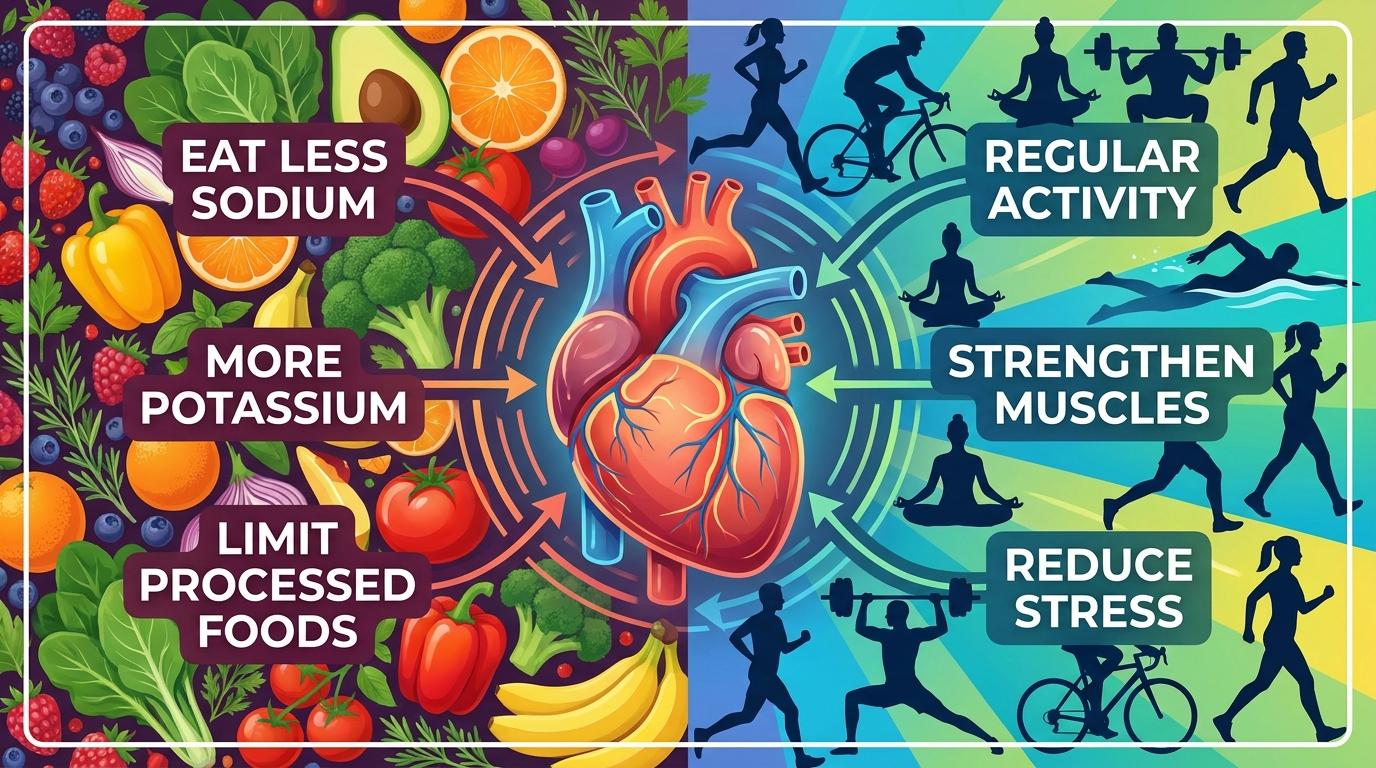
Hypertension, or high blood pressure, occurs when the long term force of blood against artery walls is consistently high enough to eventually cause health problems like heart disease. Managing this condition is a proactive process that relies on sustained adjustments to daily routines rather than reliance on medication alone.
Evidence based lifestyle modifications provide the foundation for lowering blood pressure and reducing cardiovascular risk. This guide outlines nutritional strategies centered on the DASH diet, effective exercise and weight management protocols, the influence of daily habits and environmental factors, integrative stress reduction techniques, and essential methods for monitoring progress alongside primary care guidance.
Optimizing Cardiovascular Health Through the DASH Diet
Implementing effective lifestyle changes for hypertension often begins in the kitchen. Among the most clinically proven strategies is the DASH diet, a nutritional framework specifically designed to lower blood pressure without pharmacological intervention. At PremierMD, we integrate these dietary principles into our comprehensive chronic disease management plans to help patients achieve sustainable cardiovascular health.
Understanding the DASH Diet Framework
The DASH eating plan (Dietary Approaches to Stop Hypertension) is not a restrictive “fad diet” but a balanced approach to nutrition. It emphasizes whole foods that are naturally high in minerals that lower blood pressure, such as potassium, calcium, and magnesium.
According to the National Heart, Lung, and Blood Institute (NHLBI), the DASH Eating Plan focuses on:
- Increasing intake of fruits, vegetables, and whole grains.
- Incorporating fat-free or low-fat dairy products.
- Prioritizing lean proteins, such as fish, poultry, and beans.
- Limiting foods high in saturated fats and sugar-sweetened beverages.
Sodium Limits and the Salty Six
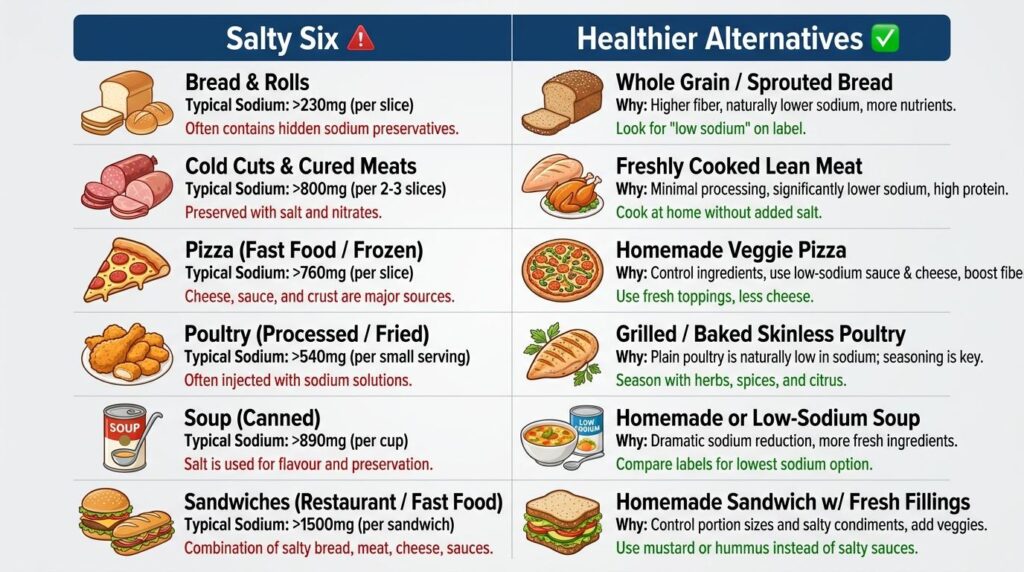
A critical component of lifestyle changes for hypertension is the aggressive reduction of dietary sodium. Excessive sodium causes the body to retain fluid, increasing the pressure on arterial walls. The American Heart Association sodium guidelines recommend an ideal limit of no more than 1,500 mg of sodium per day for most adults, particularly those with existing hypertension.
To reach this goal, patients must look beyond the salt shaker. Most dietary sodium is hidden in processed and restaurant foods. The AHA identifies the “Salty Six”—common foods that contribute the most sodium to the American diet:
The Salty Six | Why They Are High in Sodium
| Breads & Rolls | A single slice can contain up to 230 mg of sodium; multiple servings add up quickly. |
| Pizza | A combination of processed crust, tomato sauce, cheese, and meats. |
| Sandwiches | Often contain multiple high-sodium components like cold cuts and condiments. |
| Cold Cuts & Cured Meats | Deli meats are preserved with significant amounts of sodium. |
| Soup | Canned and restaurant soups are notoriously high in salt for flavor preservation. |
| Burritos & Tacos | Seasoned meats and cheeses contribute to high sodium levels per serving. |
The Role of Potassium in Sodium Regulation
While reducing sodium is vital, increasing potassium intake is equally important. Potassium acts as a natural counterbalance to sodium; it helps the body excrete excess sodium through urine and eases tension in the blood vessel walls.
As part of our weight management and nutrition counseling, we recommend focusing on potassium-rich whole foods rather than supplements, including:
- Leafy greens (spinach and kale)
- Root vegetables (sweet potatoes and beets)
- Legumes (white beans and lentils)
- Fruits (bananas, oranges, and avocados)
Strategies for Dining Out and Travel
Maintaining lifestyle changes for hypertension can be challenging when you aren’t preparing your own meals. However, with intentional choices, you can adhere to DASH principles while dining out:
- Request “No Added Salt”: Ask the server to have the chef prepare your meal without salt or high-sodium seasonings.
- Oil and Vinegar: Choose simple dressings rather than bottled options, which are often high in sodium and sugar.
- Control Your Portions: Restaurant portions are often double the recommended size; consider boxing half the meal immediately to halve your sodium intake.
- Research Menus in Advance: Most major chains provide nutritional data online, allowing you to identify lower-sodium options before you arrive.
By combining these nutritional strategies with clinical oversight, patients can significantly reduce their reliance on medication and take control of their long-term heart health.
Physical Activity Standards for Blood Pressure Control
Implementing structured movement is one of the most effective lifestyle changes for hypertension, often yielding results comparable to a single blood pressure medication. Consistent physical activity strengthens the heart, allowing it to pump more blood with less effort, which directly reduces the pressure on your arterial walls.
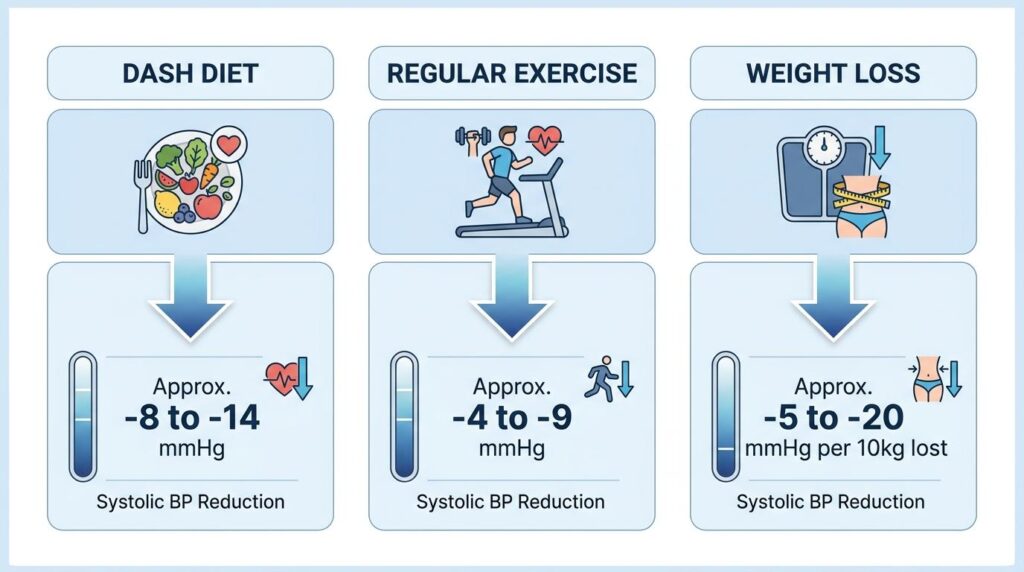
To understand the cumulative power of these changes, see the potential systolic blood pressure (SBP) reductions associated with key lifestyle interventions below:
Lifestyle Intervention | Estimated SBP Reduction (mmHg)
| DASH Dietary Pattern | 11 mmHg |
| Aerobic Exercise | 5–8 mmHg |
| Weight Loss (per 10 lbs lost) | 5 mmHg |
| Reduced Sodium Intake | 5–6 mmHg |
| Moderate Alcohol Consumption | 4 mmHg |
Weekly Aerobic and Resistance Training Requirements
For significant hypertension management, clinical standards recommend a multi-modal approach to exercise. To capture the full cardiovascular benefits, patients should aim for the following weekly benchmarks:
- Aerobic Activity: Engage in at least 150 minutes of moderate-intensity aerobic exercise per week (e.g., brisk walking, cycling, or swimming). This can be broken down into 30-minute sessions five days a week.
- Dynamic Resistance Training: Incorporate strength training at least two days per week. This should involve all major muscle groups (legs, hips, back, abdomen, chest, shoulders, and arms).
- Intensity Monitoring: Aim for an intensity where you can talk but not sing. For those using heart rate monitors, this typically falls between 50% and 70% of your maximum heart rate.
The Impact of Modest Weight Loss
Weight and blood pressure are inextricably linked. For individuals who are overweight, even modest reductions in body mass can lead to profound improvements in cardiovascular health.
- The 1:1 Ratio: Clinical data suggests that for every 1 kilogram (2.2 lbs) of weight lost, systolic blood pressure typically drops by approximately 1 mmHg.
- Metabolic Health: Weight loss improves insulin sensitivity and reduces sympathetic nervous system activity, both of which help lower blood pressure.
- Sustainable Management: Integrating professional weight management and nutrition counseling ensures that weight loss is achieved through healthy, sustainable habits rather than restrictive “fad” dieting.
Choosing the Right Modality
The “best” exercise is the one you will perform consistently. At our family medicine practice, we emphasize an integrated approach that considers your current fitness level and any co-existing chronic diseases.
- Steady-State Cardio: Activities like power walking or jogging are excellent for beginners and provide a consistent, low-impact way to lower SBP.
- High-Intensity Interval Training (HIIT): For those with higher fitness levels, HIIT can provide similar or superior BP benefits in less time, though it should be cleared by a physician first.
- Mind-Body Movement: Practices such as Yoga and Tai Chi combine physical activity with breathwork. These are particularly effective for patients whose hypertension is exacerbated by stress, as they help regulate the autonomic nervous system.
Before starting a new high-intensity regimen, it is essential to undergo preventive care screening to ensure your heart is ready for the increased demand.
Environmental and Habitual Factors in Hypertension Management
Beyond diet and exercise, your daily environment and routine habits play a critical role in vascular health. Managing lifestyle changes for hypertension requires a holistic view of how external stimuli—ranging from the substances we consume to the air temperature—impact arterial pressure.
Nicotine and Vascular Health
Nicotine is a powerful vasoconstrictor that triggers an immediate, sharp increase in blood pressure and heart rate. Every time nicotine is inhaled or ingested, it stimulates the sympathetic nervous system, causing blood vessels to narrow and forcing the heart to work harder.
While quitting nicotine is one of the most impactful lifestyle changes for hypertension, it is important to understand that cessation is a process of mitigating ongoing damage rather than an instant reversal of all cardiovascular history. According to our family medicine providers, quitting smoking or vaping can significantly reduce your long-term risk of stroke and heart attack by allowing the arterial walls to regain elasticity over time.
Sleep Hygiene and Circadian Regulation
Quality sleep is a fundamental pillar of chronic disease management. During normal, healthy sleep, your blood pressure naturally drops—a process known as “nocturnal dipping.” When sleep is fragmented or too short (typically less than six hours), the body remains in a state of high alert, keeping blood pressure elevated for longer periods.
Key factors that disrupt this circadian regulation include:
- Obstructive Sleep Apnea (OSA): A condition where breathing repeatedly stops and starts, causing repeated oxygen drops that spike blood pressure.
- Blue Light Exposure: Using screens late at night suppresses melatonin, which can interfere with the body’s natural cooling and pressure-lowering cycle.
- Inconsistent Schedules: Shifting sleep times can lead to “social jetlag,” which is linked to higher systemic inflammation.
Seasonal Variations in Blood Pressure
Many patients are surprised to learn that blood pressure is not static throughout the year. Research published in the National Institutes of Health (NIH) (Nilles et al., 2023) indicates that blood pressure control and related metrics frequently worsen during colder seasons and improve during warmer months.
This phenomenon is primarily due to cold-induced vasoconstriction, where blood vessels narrow to conserve body heat, subsequently increasing the pressure within the system. In regions like New Jersey, where winter temperatures drop significantly, patients may require more frequent monitoring or adjustments to their preventive care plans.
By being aware of these environmental triggers, you can work with your doctor to adjust your habits and maintain stable readings year-round.
Stress Management and Integrative Medicine Practices
Chronic stress is a significant driver of secondary hypertension. When the body remains in a state of “fight or flight,” it consistently produces cortisol and adrenaline, which tighten blood vessels and increase heart rate. Managing this physiological response is a core component of sustainable lifestyle changes for hypertension.
Mind-Body Techniques: Yoga and Meditation
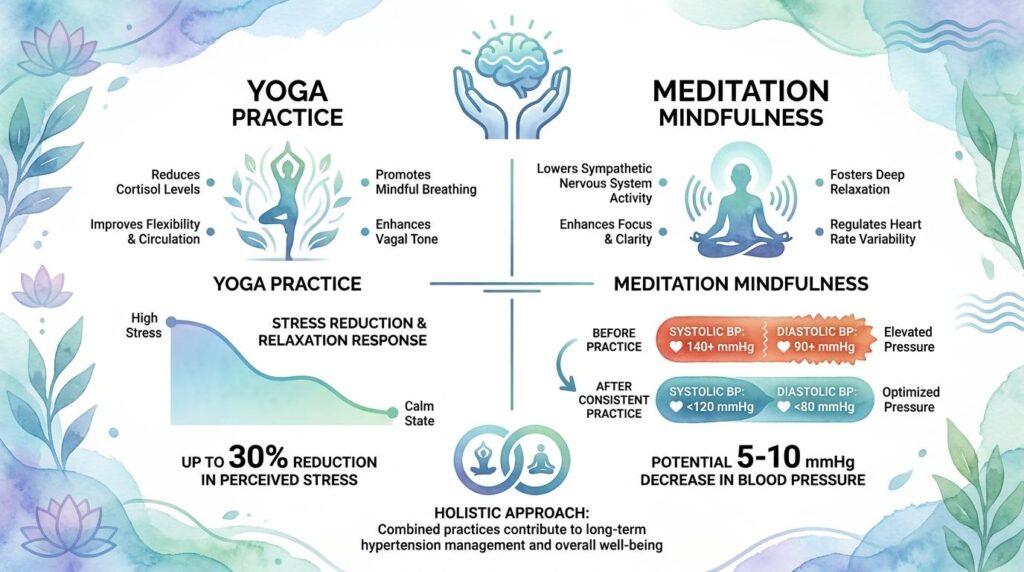
Yoga and meditation provide more than just mental relaxation; they trigger specific physiological changes in the autonomic nervous system. Practicing these techniques shifts the body from sympathetic dominance (stress mode) to parasympathetic activation (rest-and-digest mode).
- Nervous System Regulation: Deep, rhythmic breathing during meditation stimulates the vagus nerve, which signals the heart to slow down and blood vessels to dilate.
- Cortisol Reduction: Regular practice lowers systemic cortisol levels, reducing the chemical triggers that lead to arterial stiffness.
- Heart Rate Variability (HRV): Mind-body practices improve HRV, a key indicator of the heart’s ability to respond to stress without a dangerous spike in blood pressure.
For many, mental health support through these techniques serves as a primary tool for stabilizing daily blood pressure fluctuations.
Eastern Medicine Complementary Practices
Integrating Eastern medicine with conventional primary care offers a holistic approach to hypertension treatment. These practices focus on energy balance and systemic circulation to improve cardiovascular health.
- Medical Acupuncture: Board-certified medical acupuncture can help lower blood pressure by 8–10 points in some individuals. It works by releasing neurotransmitters that relax the central nervous system and improve blood flow.
- Cupping Therapy: Often used to reduce muscle tension and improve circulation, cupping helps facilitate the removal of metabolic waste from tissues, which may support overall vascular health.
- Herbal Medicine: Traditional herbal medicine may be used as a supplement to stabilize blood pressure, though these must always be coordinated with your physician to avoid interactions with conventional medications.
Alcohol Moderation and Gender-Specific Responses
Alcohol consumption has a direct, dose-dependent relationship with blood pressure. While moderate intake is sometimes discussed in the context of heart health, excessive consumption is a leading cause of preventable hypertension.
Your body’s ability to metabolize alcohol—and the subsequent impact on your arteries—varies significantly based on gender and biological factors. Women generally have a lower percentage of body water and different enzyme levels than men, meaning alcohol reaches higher concentrations in the bloodstream faster, leading to a more immediate impact on blood pressure.
Gender | Recommended Daily Limit | Impact of Excess on BP
| Men | Up to 2 drinks | Can lead to chronic vessel constriction and weight gain. |
| Women | Up to 1 drink | Higher sensitivity to alcohol-induced hypertension and organ stress. |
To protect your cardiovascular system, you should monitor your intake closely. Reducing alcohol consumption is often one of the fastest ways to see a measurable drop in your systolic and diastolic numbers. If you find it difficult to manage these lifestyle adjustments, discussing them during a family medicine consultation can help you create a realistic, medically supervised plan.
Indicators of Success and Long-term Monitoring Protocols
Implementing lifestyle changes for hypertension is a marathon, not a sprint. Success is measured not just by a single “good” reading, but by sustained physiological improvements and the mitigation of long-term cardiovascular risks.
Tracking Success: Early Physiological Signs
While the ultimate goal is a reading consistently below 130/80 mmHg, several early indicators suggest your lifestyle adjustments are working:
- Improved Heart Rate Recovery: Your heart rate returns to baseline faster after physical exertion.
- Reduced Occurrences of Morning Headaches: Often a sign of improved overnight blood pressure regulation.
- Decreased Peripheral Edema: Less swelling in the ankles and feet as sodium balance improves.
- Enhanced Energy Levels: A byproduct of better circulation and improved sleep quality.
Home Monitoring Best Practices
Accurate data is the foundation of effective clinical care. To ensure your home readings are reliable for decision-making, follow these protocols:
- Select the Right Equipment: Use a validated, automated upper-arm cuff monitor. Avoid wrist or finger monitors, as they are generally less accurate.
- Prepare Your Body: Avoid caffeine, exercise, and smoking for at least 30 minutes before measuring. Ensure your bladder is empty.
- Maintain Proper Positioning: Sit quietly in a chair with back support for five minutes. Keep your feet flat on the floor (do not cross your legs) and support your arm at heart level.
- Consistency is Key: Take readings at the same times each day—ideally once in the morning before medication and once in the evening before dinner.
- The “Rule of Two”: Take two readings one minute apart and record the average of the two.
- Maintain a Detailed Log: Document your readings in a digital app or paper log to share with your provider during Comprehensive Hypertension Management consultations.
Clinical Consultation and Reversal Potential
The potential to “reverse” a hypertension diagnosis—defined as maintaining target blood pressure levels without the need for pharmacological intervention—is a realistic goal for many patients, particularly those with Stage 1 hypertension. However, this transition must be clinically supervised.
The Path to Medication Reduction:
- Stability Milestone: Maintaining consistent readings within the normal range for a minimum of 3–6 months through diet and exercise.
- Risk Assessment: Your physician will evaluate your total cardiovascular risk, including cholesterol levels and kidney function, before modifying any prescriptions.
- Supervised Tapering: Never stop medication “cold turkey.” Your doctor will implement a gradual tapering schedule while you continue your lifestyle changes for hypertension.
- Surveillance: Increased frequency of monitoring during the tapering phase to catch any “rebound” hypertension immediately.
| Monitoring Stage | Primary Objective | Typical Frequency |
| :— | :— | :— |
| Active Intervention | Establish baseline and verify response | Daily (AM and PM) |
| Stabilization | Confirm consistency of lifestyle gains | 2–3 times per week |
| Maintenance | Long-term surveillance and prevention | Weekly or as directed |
The Intersection of Primary Care and Proactive Health Management
Primary care serves as the foundational hub for managing high blood pressure, shifting the focus from reactive treatment to proactive health management. By establishing a long-term relationship with a family medicine provider, patients gain a dedicated partner who monitors blood pressure trends over time, ensuring that lifestyle changes for hypertension are both sustainable and medically sound. This model prioritizes the patient-provider partnership to prevent complications like heart disease or stroke before they occur.
Integrated Approaches to Chronic Disease
Effective chronic disease management for hypertension requires more than a standard prescription; it demands an integration of modern Western diagnostics with evidence-based holistic strategies. A proactive primary care model addresses the physiological, environmental, and behavioral factors that contribute to elevated blood pressure.
At PremierMD, this integrated approach includes:
- Collaborative Goal Setting: Working with providers to set realistic, measurable targets for sodium reduction, weight loss, and stress management.
- Eastern and Western Synthesis: Combining traditional medical protocols with supportive therapies, such as medical acupuncture or specialized nutrition plans, to address the root causes of vascular tension.
- Technological Integration: Utilizing telemedicine virtual visits to provide continuous support and monitoring, ensuring patients stay on track with their lifestyle modifications between in-person exams.
[insert comparison table: Traditional Reactive Care vs. Integrated Proactive Care]
The Role of Preventive Screening
Proactive management is rooted in preventive care. Because hypertension is often asymptomatic—earning its reputation as the “silent killer”—routine screenings are the only reliable way to identify risks before they escalate into cardiovascular emergencies.
- Annual Physicals: Comprehensive exams that capture baseline data and identify emerging patterns in blood pressure that might otherwise go unnoticed.
- Routine Lab Work: Analyzing lab work to monitor cholesterol levels, kidney function, and blood sugar, all of which are inextricably linked to blood pressure health.
- Early Intervention: Identifying “pre-hypertension” stages early allows for aggressive lifestyle interventions that may eliminate the need for long-term medication.
By prioritizing regular hypertension screenings, patients can take control of their cardiovascular health through informed, data-driven decisions. This proactive foundation makes the transition to specific lifestyle adjustments, such as physical activity, significantly more effective.
Frequently Asked Questions About Hypertension Management
Can I stop my blood pressure medication if my numbers improve with lifestyle changes?
You should never discontinue or adjust the dosage of prescribed antihypertensives without direct medical supervision. While significant lifestyle improvements like weight loss and sodium reduction can lead to lower readings, your physician must evaluate these trends over time before determining if a taper is safe. Stopping medication abruptly can cause dangerous rebound hypertension.
Is caffeine intake restricted when trying to manage hypertension naturally?
Caffeine can cause short-term spikes in blood pressure, though its long-term effects on chronic hypertension vary among individuals. Most clinical guidelines suggest moderate consumption is acceptable, but monitoring your body’s response after a cup of coffee is helpful. If you notice significant fluctuations, reducing intake or switching to decaffeinated options may be beneficial.
What is the best time of day to exercise for blood pressure management?
Consistency is more critical than timing when it comes to aerobic and resistance training. While some studies suggest afternoon or evening exercise might yield a slightly better blood pressure lowering effect due to circadian rhythms, the most effective time is whenever you can realistically maintain a daily routine. Regularity ensures sustained vascular health benefits regardless of the hour.
Does drinking more water help lower blood pressure?
Hydration is vital for overall cardiovascular function, as dehydration can cause the blood to become more viscous and trigger the release of vasopressin, which constricts blood vessels. While drinking water alone is not a primary treatment for hypertension, maintaining adequate fluid levels supports your kidneys in processing sodium and helps stabilize blood volume.
Are there specific vitamins or supplements recommended for hypertension?
Certain supplements like magnesium, potassium, and omega-3 fatty acids have shown promise in supporting vascular health, but they should complement, not replace, medical treatment. It is essential to discuss any new supplements with your healthcare provider to avoid potential interactions with your current medications. Aligning these natural interventions with professional clinical oversight ensures your strategy remains safe and effective.
Personalize Your Path to Heart Health
Navigating the complexities of blood pressure regulation requires more than just self-monitoring; it demands a clinical partnership. By working with experienced providers, you can integrate nutritional strategies and activity protocols into a medical framework that prioritizes your unique physiology. Schedule a Comprehensive Hypertension Management evaluation with our integrated medical team to create your personalized hypertension management plan and take proactive control of your long-term wellness.
Leave a Reply