
A simple blood test could save your life.
We make prostate screening straightforward and comfortable — a quick PSA blood draw, results in 24-48 hours, explained in plain language, with a monitoring plan built around your specific risk. No guesswork, no unnecessary tests.

Prevention, testing, and treatment, all under one roof
We think of prostate health the same way we think about every part of your health: catch it early through screening, confirm it with real lab testing, and treat it with evidence-based medicine, backed by lifestyle guidance that actually supports the outcome. That's what it means to help you live your healthiest life.
Our approach to prostate screening
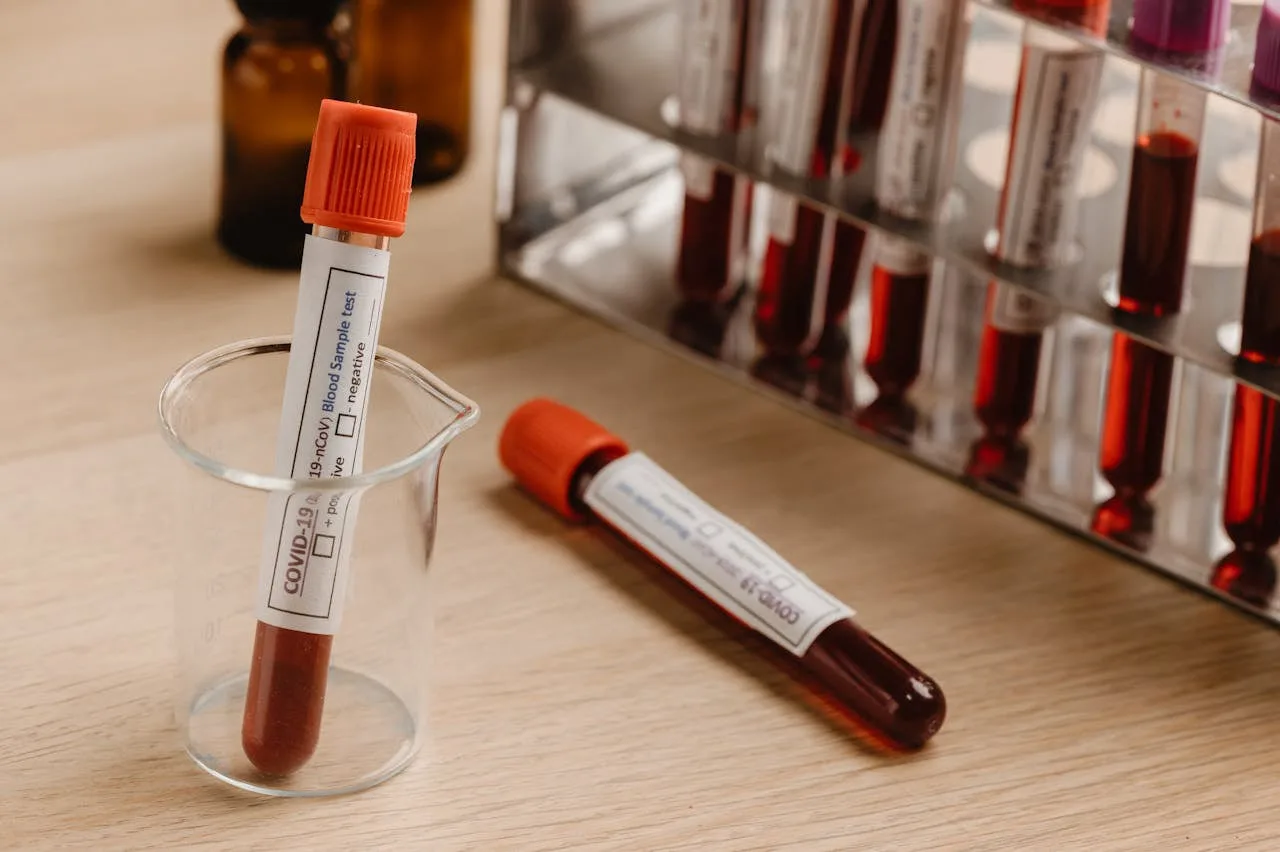
PSA Blood Testing
A simple blood draw measuring prostate-specific antigen, with results typically available within 24-48 hours.
Personal Risk Assessment
A real evaluation of your age, family history, and ethnicity — not a generic screening schedule applied to everyone the same way.
Digital Rectal Exam
When appropriate, a brief physical exam that takes less than a minute, always explained beforehand.
Plain-Language Results
A dedicated appointment to walk through what your numbers actually mean, with no rush and no jargon.
Personalized Monitoring Plan
A follow-up schedule matched to your results and risk level, plus direct coordination with top urologists when further evaluation is needed.
Lifestyle Guidance
Evidence-based recommendations on diet, exercise, and supplements that support prostate health, not one-size-fits-all advice.
Seen this week, not next season
A lot of practices ask you to wait months to get in for a screening test that only takes minutes. We don't work that way — most new patients are seen within a week, whether in Bridgewater, Nutley, or by telemedicine for the initial conversation.
We run this the way a VIP or concierge practice would — unhurried time, direct answers, no runaround — while accepting nearly every major insurance plan, including Medicare. Prostate health shouldn't be something you keep meaning to get to.
Take control of your prostate health before problems start.
Most new patients are seen within a week, in person or via telemedicine.
What a PSA number actually means
This is where most men get frightened unnecessarily. PSA is not a cancer test — it measures a protein the prostate makes, and plenty of harmless things push it up. Here's how we read one.
An Elevated PSA Is Usually Not Cancer
Benign prostatic hyperplasia (an enlarged prostate, near-universal with age), prostatitis, a urinary infection, recent ejaculation, and even a long bike ride all raise PSA. Most elevated results turn out to be one of these.
The Trend Beats the Snapshot
How your number moves over years tells us far more than any single value. A stable 4.5 is a very different situation from a 2.8 that climbed to 4.5 in eighteen months.
What We Do Before a Biopsy
Repeat the test after treating any infection, then look at free-PSA ratio and PSA density. Many men who'd once have gone straight to biopsy don't need one — and an MRI often comes before a biopsy now rather than after.
When Urology Gets Involved
A persistently rising or clearly abnormal result, or an abnormal exam, means a referral to a urologist we work with directly — and we stay involved rather than handing you off and disappearing.
There's a real trade-off worth naming: prostate screening saves lives, and it also finds slow-growing cancers that would never have caused harm, leading to treatment with genuine side effects. That's why the decision to screen is a conversation, not an automatic order — and why "active surveillance" (monitoring closely rather than treating immediately) is now standard for many low-risk cancers.
Related men's health care
Preventive Screening
The full age-based plan prostate screening belongs inside — cardiovascular, metabolic, and cancer screening on one schedule.
Learn moreTestosterone Therapy
PSA monitoring is built into testosterone therapy here, since the two can't responsibly be managed apart.
Learn moreLab Work & Testing
On-site blood draws at Bridgewater, plus what else we can run without sending you to a separate facility.
Learn moreProstate health questions
When should I get my first PSA test?
Age 50 for average-risk men, or 40-45 if you have a family history of prostate cancer or are African-American. We'll talk through your personal risk factors to figure out what timeline actually makes sense for you.
Is a PSA test uncomfortable?
The PSA test itself is a simple blood draw, no different from routine bloodwork. A digital rectal exam is sometimes done alongside it when appropriate, and takes less than a minute. We explain each step beforehand so there are no surprises.
How quickly will I get my results, and what happens next?
PSA results are typically available within 24-48 hours. We schedule a dedicated appointment to walk through what your numbers mean in plain language and build a monitoring plan based on your specific results and risk level — not every man needs the same follow-up schedule.
Can I get screened through telemedicine?
The risk-assessment conversation and results review can be done by telemedicine. The blood draw itself requires a quick in-person visit, which we can usually schedule within a week.
Is prostate screening covered by insurance?
Most insurance plans cover PSA screening, especially as part of an annual physical, and we accept nearly every major plan including Medicare. We'll verify your specific coverage before your appointment.
My PSA came back high. Do I have cancer?
Probably not. PSA measures a protein the prostate makes, not cancer itself, and most elevated results have a benign explanation — an enlarged prostate (extremely common with age), prostatitis, a urinary infection, recent ejaculation, or even a long bike ride in the days before the draw. The usual next step is to repeat the test under better conditions, not to panic. If it stays up, we look at free-PSA ratio and PSA density and, where warranted, arrange imaging or a urology referral. Getting a scary number on a portal without context is exactly why we book a real appointment to go through results.
I've heard prostate screening is controversial. Is it worth doing?
It's a genuine trade-off, and here it is. Screening catches aggressive cancers early, when they're highly treatable. It also finds slow-growing ones that would never have caused you a problem — and treating those can mean incontinence or erectile dysfunction you'd otherwise never have had. That's why it's a shared decision based on your age, family history, and how you personally weigh those risks, and why low-risk cancers found today are often monitored closely rather than treated immediately. What we won't do is order it reflexively or talk you out of it reflexively.
Contact PremierMD Today
We'll reach out within one business day to answer your questions and help you schedule an appointment.